

When a vessel reaches the end of its operational life, the decision to recycle it involves much more than sending an old ship to a recycling yard. Today, sustainable ship recycling is an important part of responsible vessel ownership, with implications for environmental protection, regulatory compliance, worker safety, ESG performance, and corporate reputation.
A ship contains large quantities of valuable materials that can be recovered and reused, including steel and other metals. However, vessels can also contain hazardous materials that require careful identification, handling, and disposal.
For shipowners, responsible ship recycling means ensuring the vessel is dismantled safely, under control, traceable, and compliant with applicable regulations. The requirements and standards applicable to the recycling process may also vary depending on the vessel’s recycling destination and the regulatory regime governing the project.
Why Are Ships Recycled?
Ships are generally recycled when they reach the end of their economically or operationally useful lives. As vessels age, maintenance requirements can increase, operating efficiency can decline, and continued operation may no longer make commercial sense.
Rather than treating an end-of-life vessel simply as waste, ship recycling allows a significant proportion of the vessel’s materials to be recovered and returned to productive use.
Steel is particularly important because it can be recovered and reused rather than discarded. Equipment, machinery, and other components may also be recovered depending on their condition and regulatory requirements, making ship recycling an important part of a wider circular economy.
However, recycling a vessel is fundamentally different from disposing of ordinary industrial waste. Ships are complex structures containing fuels, oils, coatings, electrical equipment, and potentially hazardous materials. The recycling process therefore needs to be planned and controlled from the beginning.
The Environmental Issues Behind Ship Recycling
The environmental impact of ship recycling depends heavily on how the vessel is handled and where it is recycled.

Fig 1: Identifying and safely managing hazardous materials throughout recycling.
A vessel may contain hazardous materials such as asbestos, PCBs, heavy metals, and ozone-depleting substances. In addition, residual fuels, oils, sludge, and other operational residues may remain onboard and require proper removal and management before and during recycling. Improper handling of these materials and residues can result in risks to workers and the environment.
Poorly managed ship demolition or dismantling can put workers, surrounding communities, and the marine environment at risk. These risks may include inappropriate handling of hazardous materials, uncontrolled releases, unsafe working conditions, and inadequate waste management.
This is why sustainable ship recycling is not simply about recovering as much steel as possible. A genuinely responsible process must consider the entire lifecycle of the recycling project:
- SRF Audit, Assessment & Selection
- Vessel acceptance & suitability
- SRF capacity & infrastructure
- Experience & track record
- HSE & environmental performance
- Hazardous-material management
- Hot work & cutting procedures
- Vessel Pre-Arrival Assessment
- IRRC obtained from Flag / RO
- IHM verification (includes Parts II & III) and review
- Exclusion items identified and included
- SRP reviewed and approved by the Owner
- Required documents and certificates reviewed
- Coordination with the SRF before vessel arrival
- On-Site Monitoring
- Deploy a dedicated site monitoring team
- Monitor vessel recycling as per approved SRP & SRFP
- Monitor HSE, hot work & hazardous materials handling
- Track dismantling & waste traceability
- Provide photo evidence & regular reports
- Collect Owner-specific ESG parameters/data
- Provide additional site verification as required
- Completion & Close-Out
- Waste reconciliation & documentation
- Completion certification
The objective is to recover value from the vessel while reducing unnecessary risks to people and the environment.
Sustainable Ship Recycling and the Circular Economy
The circular economy keeps valuable materials in use as long as possible rather than letting them become waste. Few industries illustrate this principle quite like shipping: when a vessel reaches the end of its operational life, it may no longer have a future at sea, but it is far from worthless. Steel, metals, machinery, and other components can be recovered and put back into productive use. Sustainable and green ship recycling recognizes this value while ensuring hazardous materials are identified and managed responsibly.
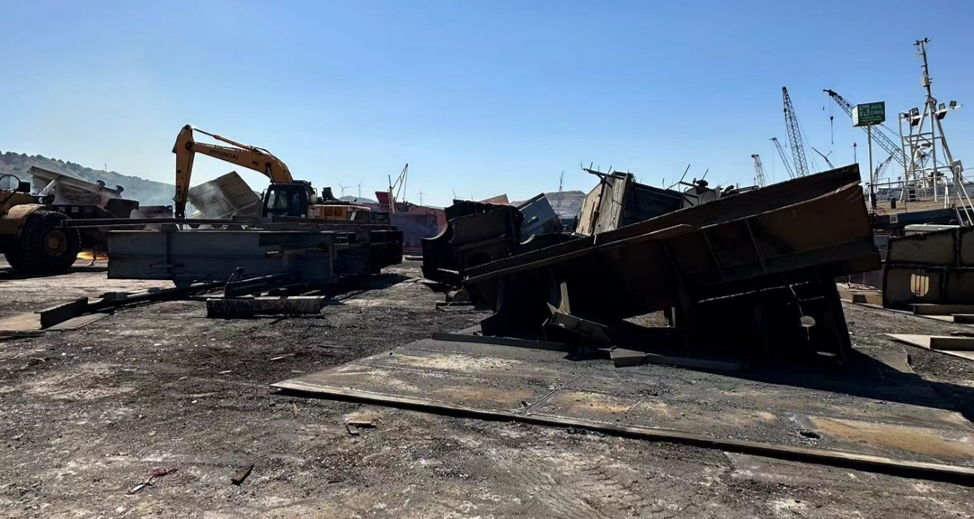
Fig 2: Recover valuable materials and keep resources in productive use.
But sustainability is about more than how much material is recovered. A recycling project should also consider how the vessel is dismantled, how hazardous substances and waste are handled, and how workers and the environment are protected. For shipowners, responsible ship recycling means striking a careful balance: recovering value from an aging vessel while managing the environmental, safety, and regulatory risks of bringing it to the end of its life.
From Principles to Practice
The end of a vessel’s operational life does not have to mean the end of its value. Through responsible ship recycling, valuable resources can be recovered while environmental, safety, and regulatory risks are carefully managed. But achieving this requires more than good intentions. A clear framework for how ships are prepared, recycled, and monitored is required.
For shipowners, understanding that framework is becoming increasingly important. The Hong Kong Convention (HKC) and EU Ship Recycling Regulation (EUSRR) have established key requirements for safer, more environmentally sound ship recycling, shaping how vessels, hazardous materials, and recycling facilities must be managed.