

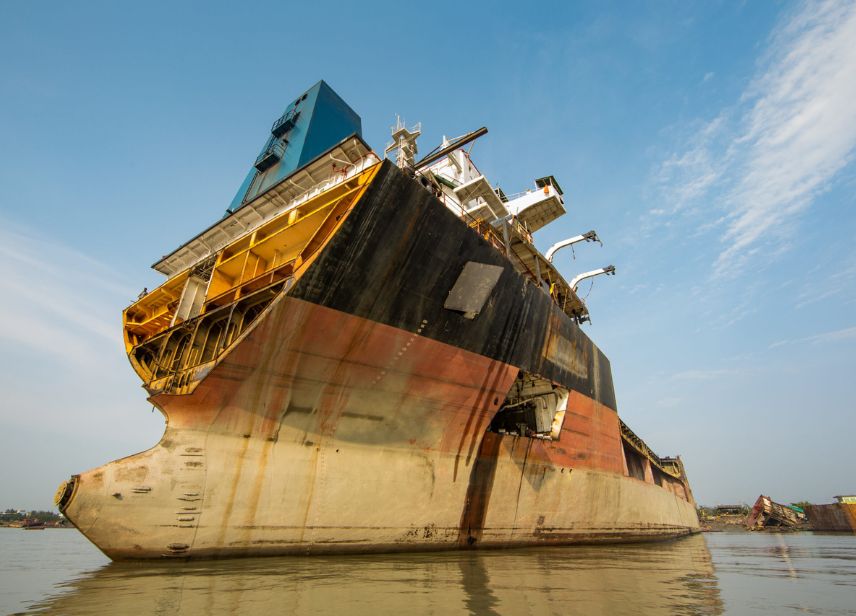
Spotlight on Sustainable Recycling as Capacity Constraints Loom
The global ship recycling industry is approaching a critical inflection point. As demand for vessel demolition rises, concerns are mounting over whether there is sufficient sustainable recycling capacity to meet future needs.
Sea Sentinels has highlighted a growing bottleneck in the sector—one that could significantly impact shipowners navigating regulatory, environmental, and commercial pressures.
Capacity Constraints in Global Ship Recycling
Ship recycling capacity is increasingly concentrated in South Asia, where yards in India, Bangladesh, and Pakistan dominate the market.
According to industry data:
- 583 ships were dismantled in South Asia in 2021 out of a global total of 763 vessels
- This represents a significant increase from 446 ships in 2020
These yards continue to handle the majority of end-of-life vessels due to:
- Competitive pricing
- Availability of large-scale dismantling facilities
- Limited alternatives globally
However, this concentration also exposes a major vulnerability—limited availability of compliant recycling yards.
Compliance Gap: HKC and EU Standards
A key challenge lies in the gap between capacity and compliance.
- Only a limited number of Indian yards are compliant with the Hong Kong Convention (HKC)
- No verified HKC-compliant yards currently exist in Pakistan or Bangladesh
- The EU Ship Recycling Regulation (EUSRR) has yet to approve any South Asian facilities
While two yards in Alang, India have received provisional EU approval, further improvements in medical and waste management infrastructure are still required.
This creates a situation where:
- Demand for compliant recycling is rising
- Supply of approved facilities remains constrained
Limited Alternatives for Large Vessels
For shipowners, particularly those with large vessels such as tankers and bulk carriers, options are limited.
- China has exited the ship recycling market
- Turkish yards lack sufficient capacity for large-scale vessels
- EU-approved yards are operating near capacity
This leaves South Asian yards as the only viable option for many shipowners—despite varying levels of compliance.
Rising Pressure on Shipowners
In the absence of sufficient regulated capacity, the responsibility increasingly falls on shipowners.
“The fact is, while these yards are still largely unregulated, there are few alternatives for shipowners due to a lack of available capacity at EU-compliant facilities for this volume of large vessels. So the onus is on owners to take responsibility for sustainable recycling at South Asian yards,”
— Rakesh Bhargava, CEO, Sea Sentinels
To meet ESG expectations and regulatory requirements, shipowners must:
- Conduct thorough due diligence
- Audit and vet recycling yards
- Implement contractual safeguards
- Ensure independent, on-site supervision
Industry Leadership: Setting Higher Standards
Some leading shipowners are already taking proactive steps.
Maersk, for example, has:
- Implemented a Responsible Ship Recycling Standard exceeding HKC requirements
- Collaborated with yards in Alang, India to upgrade facilities
- Ensured verified compliance through direct oversight
Such initiatives demonstrate how industry leadership can help bridge the gap between policy and practice.
A Looming Capacity Crunch
The situation is expected to intensify in the near future.
With tightening environmental regulations on carbon efficiency:
- Older vessels may become uneconomical to operate
- Shipowners will face a choice between costly upgrades or scrapping
This is likely to drive a surge in recycling demand—further straining already limited compliant capacity.
Market Dynamics: Strong Recycling Prices
Despite these challenges, market conditions remain favorable for scrapping:
- Ship recycling prices are currently above $600 per light displacement ton
- Strong steel demand continues to support pricing
- Scrap sales remain financially attractive for shipowners
This economic incentive could accelerate recycling activity, adding further pressure on capacity.
Conclusion: A Critical Moment for Sustainable Ship Recycling
The global ship recycling sector is at a crossroads.
While demand is rising and prices remain strong, the lack of compliant recycling capacity poses a serious challenge.
To navigate this, the industry must:
- Accelerate upgrades at high-capacity yards
- Expand the pool of compliant facilities
- Strengthen oversight and accountability
Until then, shipowners must take an active role in ensuring that recycling is carried out responsibly—particularly in regions where capacity exists but standards vary.
Final Note
Sea Sentinels has specialist expertise and long experience in safe and sustainable recycling of marine assets and can manage every step of the recycling process from benchmarking and vetting of yards and inventory of hazardous materials to independent on-site monitoring by expert personnel to ensure compliance with regulations, with auditable reporting to verify compliance.
Contact
Rakesh Bhargava
CEO, Sea Sentinels
📧 Rakesh.Bhargava@sea-sentinels.com
📞 +60 12 215 0137