

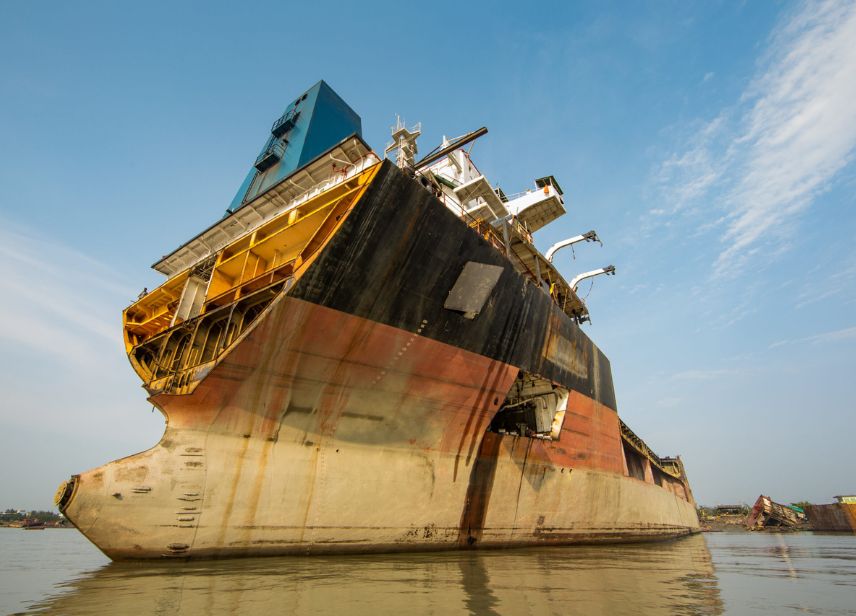
Renewed Calls for Change as Asian Ship Scrapping Surges in 2021
A sharp rise in ship recycling activity across South Asia has reignited global concerns over safety, environmental standards, and regulatory compliance.
According to data from the NGO Shipbreaking Platform, the number of oceangoing ships and offshore units scrapped at beaching yards in India, Bangladesh, and Pakistan surged by more than 30% in 2021—highlighting both the region’s dominance and the urgent need for reform.
Ship Recycling Volumes Surge in South Asia
The latest figures reveal a significant increase in demolition activity:
- 583 vessels were scrapped in South Asia in 2021
- Up from 446 vessels in 2020
- Representing 76% of the 763 ships dismantled globally
This reinforces South Asia’s position as the primary hub for ship recycling, driven largely by:
- Competitive steel recovery prices
- Lower labour and operational costs
- Limited capacity in alternative regions
Mounting Concerns Over Safety and Environmental Practices
Despite some improvements in selected facilities, many yards continue to face criticism over poor safety standards and environmental risks.
Reported incidents in 2021 include:
- 14 worker fatalities in Chattogram, Bangladesh
- 34 serious injuries in the same region
- Additional fatalities in Alang, India, and Gadani, Pakistan
These incidents underline ongoing concerns about:
- Hazardous material handling
- Worker safety protocols
- Environmental pollution
Pressure on Shipowners to Raise Standards
The surge in scrapping activity has intensified calls for shipowners to adopt responsible recycling practices.
“All shipowners are aware of the dire situation at the beaching yards… yet the vast majority choose South Asia as that is where they can make the highest profits,”
— Ingvild Jenssen, NGO Shipbreaking Platform
Owners from multiple regions—including the United Arab Emirates, Singapore, Greece, and the United States—continue to rely heavily on South Asian yards for end-of-life vessels.
Limited Capacity at Approved Facilities
A major constraint remains the lack of approved, compliant recycling yards globally:
- The EU has approved 44 facilities worldwide
- No South Asian yards are currently EU-approved
- Only 37 vessels were recycled in EU-approved yards in 2021
Meanwhile, many compliant facilities are:
- Operating near capacity
- Reluctant to handle large vessels due to lower profitability and logistical challenges
The Role of the Hong Kong Convention (HKC)
The International Maritime Organization’s Hong Kong Convention (HKC) aims to establish global standards for safe and environmentally sound ship recycling.
However, the convention has yet to enter into force, as it requires:
- Ratification by at least 15 countries
- Representation of 40% of global gross tonnage
Until then, regulatory fragmentation continues to challenge industry-wide compliance.
Economic Drivers Behind South Asian Dominance
South Asian yards continue to offer:
- Higher returns from recycled steel
- Lower operational costs
- Established infrastructure for large-scale dismantling
This creates a strong financial incentive for shipowners—often outweighing sustainability concerns.
Industry Response: Responsibility and Accountability
Sea Sentinels has emphasized that responsibility ultimately lies with shipowners:
“The fact is, while these yards are still largely unregulated, there are few alternatives… the onus is on owners to take responsibility,”
— Rakesh Bhargava, CEO, Sea Sentinels
Key actions required include:
- Comprehensive due diligence
- Strong contractual safeguards
- Independent on-site supervision
- Transparent ESG reporting
Addressing Greenwashing Risks
While many companies have adopted sustainable recycling policies, gaps remain between commitment and execution.
This has led to concerns around greenwashing, where:
- Policies exist on paper
- Implementation falls short in practice
Recent legal cases in Europe have also shown that:
- Shipowners and cash buyers can be held liable for irresponsible recycling practices
The Path Forward: Upgrading Capacity and Standards
Industry stakeholders increasingly agree that the solution lies in:
- Upgrading existing South Asian facilities
- Expanding compliant recycling capacity
- Strengthening enforcement through monitoring and audits
As noted by industry leaders, focusing on improving high-capacity yards could deliver the greatest immediate impact.
Conclusion
The sharp rise in ship scrapping activity in 2021 highlights a critical imbalance between capacity and compliance in the global recycling sector.
While South Asia remains indispensable to the industry, ensuring safe, sustainable, and transparent practices is no longer optional—it is a necessity.
Shipowners, regulators, and industry players must work collectively to close the gap between economic incentives and environmental responsibility.
Final Note
Sea Sentinels has specialist expertise and long experience in safe and sustainable recycling of marine assets and can manage every step of the recycling process from benchmarking and vetting of yards and inventory of hazardous materials to independent on-site monitoring by expert personnel to ensure compliance with regulations and the shipowner’s ship recycling plan, with reporting to verify compliance.
Contact
Rakesh Bhargava
CEO, Sea Sentinels
📧 Rakesh.Bhargava@sea-sentinels.com
📞 +60 12 215 0137