
Inventory of Hazardous Materials (IHM): Maintaining Compliance Throughout Your Vessel’s Lifecycle
In the last two articles on the Inventory of Hazardous Materials (IHM), we discussed what an IHM is and why it is essential to ship management. We also explained how an IHM is prepared, verified, and certified through a structured survey process.
Preparing an IHM, however, is only the beginning. To remain compliant, Part I must be maintained throughout the vessel’s operational life. Every equipment replacement, retrofit, or modification involving hazardous materials can affect the inventory. Without regular updates, an IHM can quickly become outdated, exposing shipowners to unnecessary operational, financial, and regulatory risks.
This final article explores how to maintain an accurate IHM, the risks of poor IHM management, and the best practices that help shipowners remain compliant throughout a vessel’s lifecycle.
Maintaining an Inventory of Hazardous Materials compliance throughout a vessel’s lifecycle
An Inventory of Hazardous Materials is not a document that is prepared once and filed away. To remain accurate and compliant, it must be reviewed and updated throughout the vessel’s operational life whenever significant changes involving hazardous materials occur. Maintaining an up-to-date IHM helps ensure ongoing IHM compliance, supports safer maintenance activities, and simplifies future surveys and inspections.
When should an IHM be updated?
An IHM should be reviewed whenever modifications are made that may affect the vessel’s hazardous materials inventory. Common examples include:
- Major retrofits
- Equipment replacements
- Structural modifications
- HVAC and refrigeration upgrades
- Electrical system upgrades
- Drydock projects involving hazardous materials
Updating the inventory promptly helps ensure it accurately reflects the vessel’s current configuration and remains ready for future inspections.
Lifecycle maintenance timeline
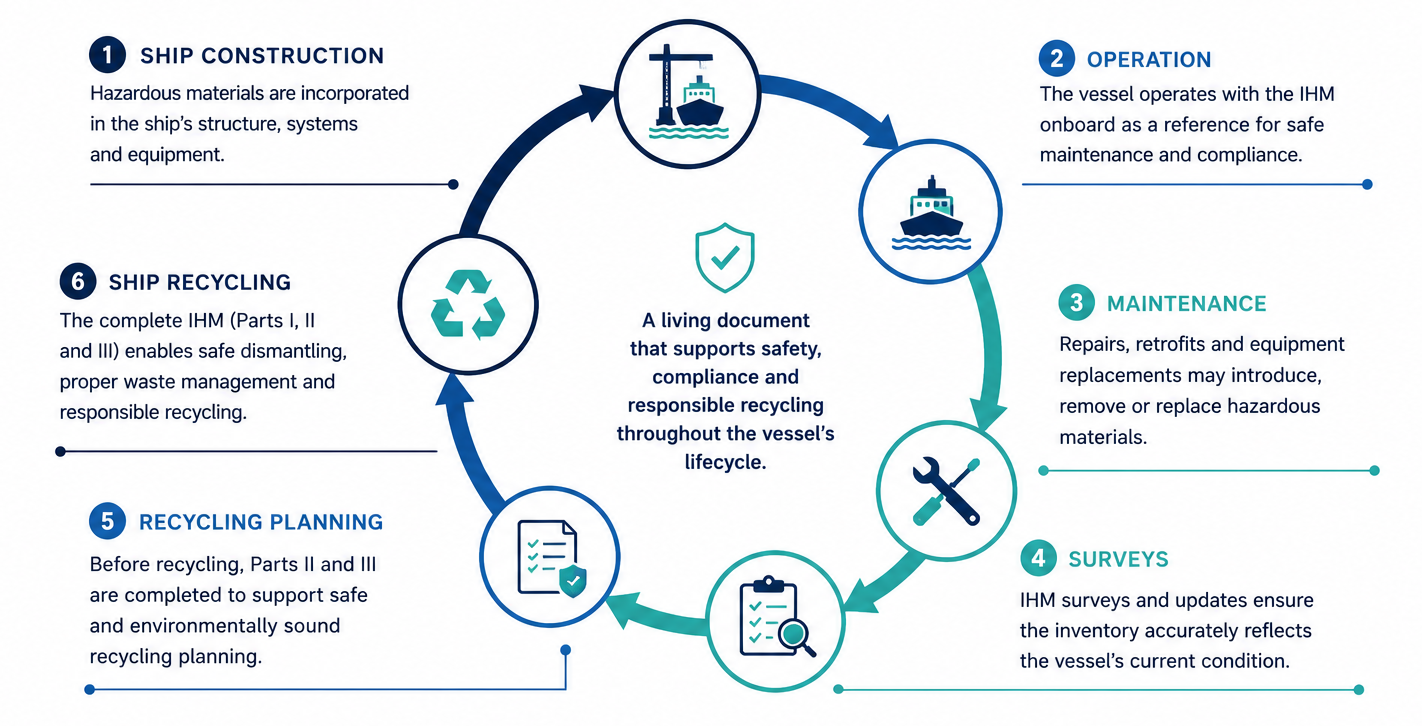
Figure 1: Lifecycle of an Inventory of Hazardous Materials (IHM)
The timeline illustrates how the IHM evolves from vessel construction through operation and maintenance to ship recycling ultimately. Rather than being a one-time exercise, the inventory should be reviewed and updated whenever significant changes occur during the vessel’s service life.
Maintaining Certification Throughout the Vessel’s Lifecycle
An IHM Certificate or Statement of Compliance remains valid only if the underlying inventory is kept current. Failure to update the IHM following significant modifications may affect compliance and require additional verification during future statutory or classification surveys.
As a vessel progresses through its operational life, the focus of IHM verification changes:
Initial Certification
The initial survey establishes Part I of the IHM through document reviews, onboard inspections, representative sampling (where required), and verification by the authorized organization. Once accepted, the vessel is issued an IHM Certificate or Statement of Compliance.
Ongoing Maintenance
Throughout the vessel’s operational life, Part I must be updated whenever modifications involving hazardous materials occur. During routine statutory or classification surveys, inspectors may verify that the inventory remains accurate and reflects the vessel’s current condition.
End-of-Life Verification
Before a vessel is recycled, Parts II and III are prepared to document operational waste and remaining stores onboard. Together with the updated Part I, they provide the information the recycling facility needs to develop a safe and compliant Ship Recycling Plan.
Risks of an inaccurate IHM
An Inventory of Hazardous Materials (IHM) is only valuable if it accurately reflects a vessel’s current condition. As ships undergo repairs, retrofits, and equipment replacements, failing to update the inventory can introduce significant regulatory, operational, financial, and safety risks.
Outdated or inaccurate IHMs may result in hazardous materials being overlooked, maintenance work being delayed, and recycling activities being carried out without appropriate safeguards. Beyond compliance, it can also affect worker safety, project schedules, commercial transactions, and corporate reputation.
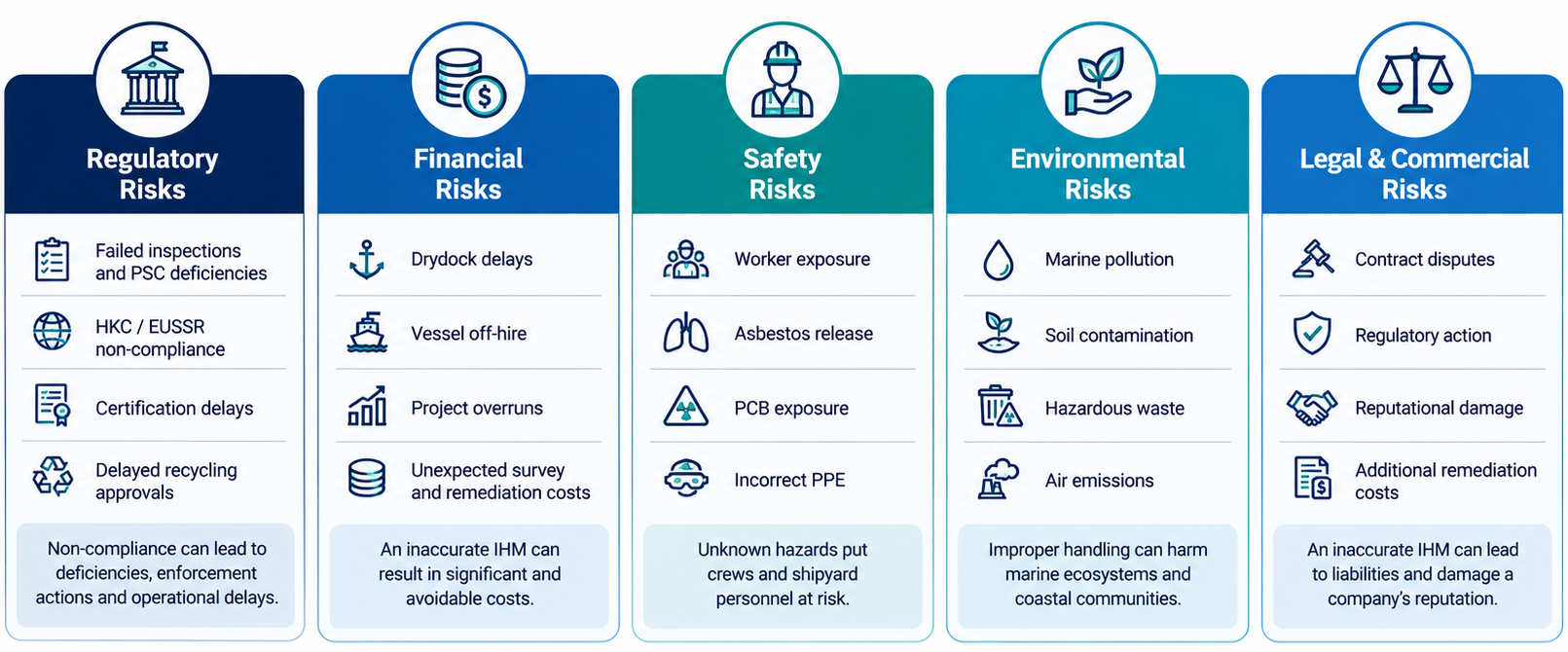
Fig. 2: Risks of an Outdated or Inaccurate IHM
Regulatory Risks
International regulations such as the HKC and the EUSSR require vessels to maintain an accurate IHM throughout their operational lives.
An outdated or incomplete inventory may result in:
- Failed statutory or classification surveys
- Port State Control deficiencies
- Delays in obtaining certification
- Delayed recycling approvals
- Additional inspections
- Corrective actions
- Non-compliance with HKC and EUSSR
Keeping the IHM current helps avoid unnecessary administrative delays while demonstrating a proactive approach to regulatory compliance.
Financial Risks
An inaccurate IHM can quickly translate into increased project costs. If hazardous materials are discovered unexpectedly during maintenance or recycling, work may be suspended while additional surveys, sampling, and risk assessments are completed, resulting in project delays and increased costs.
In many cases, maintaining the IHM is considerably less expensive than managing the consequences of an inaccurate one.
Safety Risks
Protecting workers is one of the primary reasons the IHM exists. Without accurate information about hazardous materials onboard, ship crews, maintenance personnel, contractors, and recycling workers may unknowingly disturb dangerous substances during routine operations or dismantling activities, including the following:
- Asbestos fibers released during insulation removal
- Mercury exposure during equipment replacement
- PCB-containing electrical equipment being dismantled without appropriate precautions
- Toxic fumes or hazardous dust generated during cutting, welding, or grinding operations
An inaccurate inventory may also lead contractors to select inappropriate work methods or personal protective equipment (PPE), increasing the likelihood of workplace injuries, occupational illnesses, and emergency incidents.
Ultimately, good hazard identification is one of the most effective ways to prevent accidents before work begins.
Environmental Risks
Many hazardous materials found onboard ships can cause lasting environmental damage if they are not identified and managed correctly. Without an accurate IHM, hazardous substances may be released during maintenance, repair, or recycling due to improper handling, storage, or disposal.
Potential environmental impacts include:
- Soil contamination
- Marine pollution
- Airborne emissions
- Improper hazardous waste disposal
- Contamination of recycling facilities
These impacts may extend well beyond the ship itself, affecting local communities, coastal ecosystems, and the long-term sustainability of ship recycling operations.
Legal and Commercial Risks
An inaccurate IHM can also expose shipowners and operators to legal and commercial consequences, including:
- Regulatory enforcement actions
- Administrative penalties
- Delays in obtaining approvals
- Contractual disputes with buyers, shipyards or recycling facilities
- Additional remediation costs
- Reputational damage
As environmental, social, and governance (ESG) expectations continue to rise, demonstrating robust hazardous materials management has become an important indicator of responsible ship ownership and operational governance.
An Accurate IHM Is an Investment in Risk Management
Maintaining an accurate IHM should not be viewed simply as a regulatory obligation. It is a practical risk management tool that supports safer operations, more efficient maintenance, smoother drydock projects, and responsible ship recycling. By identifying hazardous materials before work begins, shipowners can reduce uncertainty, minimize project disruptions, and improve compliance throughout the vessel’s lifecycle.
Best practices for shipowners
Maintaining an accurate Inventory of Hazardous Materials (IHM) requires more than completing an initial survey. It depends on disciplined processes, regular reviews, and informed decision-making throughout the vessel’s lifecycle. The following best practices can help shipowners reduce risk, improve operational efficiency, and maintain ongoing IHM compliance.
Common IHM Mistakes
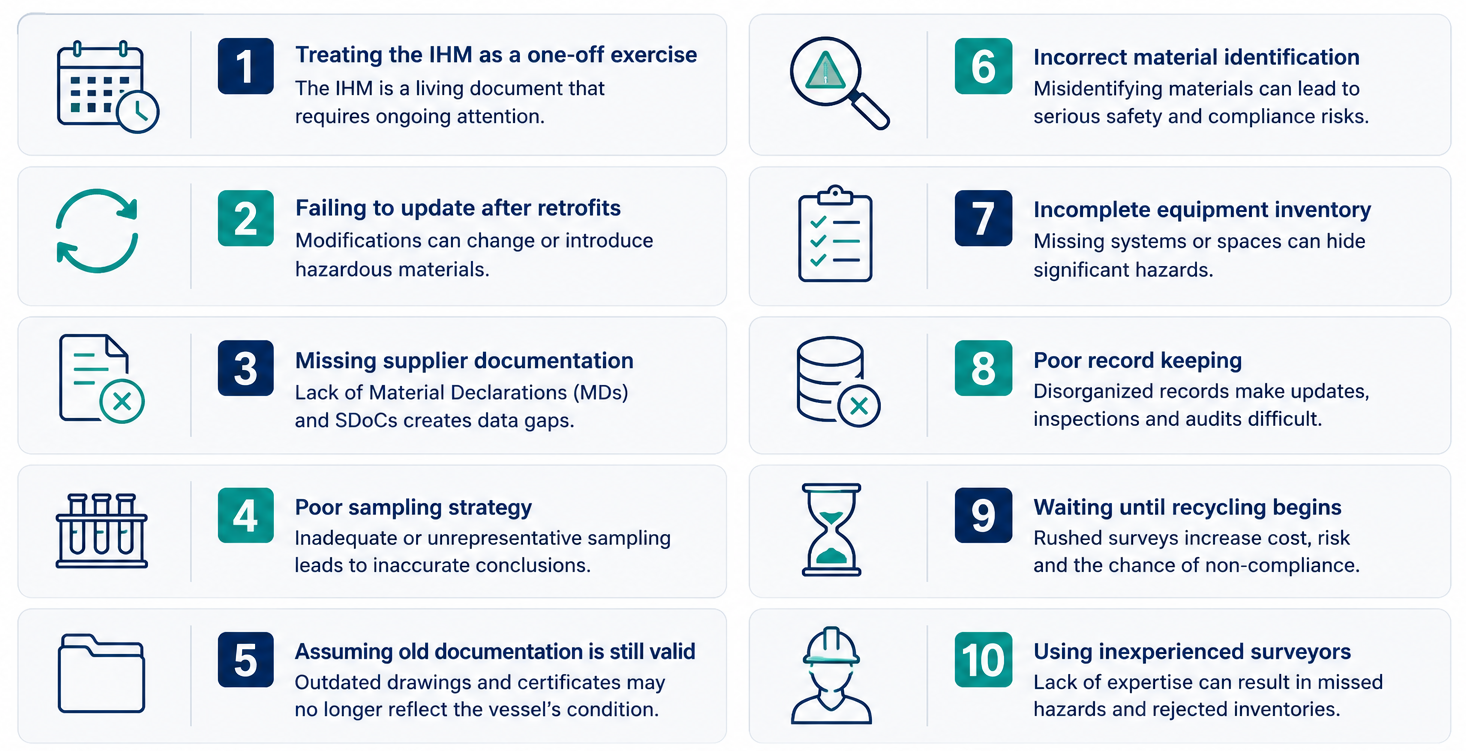
Fig. 3: “Top 10” IHM mistakes by vessel owners
Many IHM compliance issues arise not because owners ignore regulations but because routine maintenance activities, equipment changes, and documentation updates are not effectively managed. Avoiding these common mistakes can significantly reduce compliance risks and costly project delays.
Best Practices for Maintaining an Accurate IHM
Maintaining an Inventory of Hazardous Materials (IHM) is an ongoing process that should be integrated into a vessel’s routine technical and maintenance management. By adopting the following best practices, shipowners can improve data accuracy, reduce compliance risks, and ensure the IHM remains current throughout the vessel’s operational life.
- Conduct Annual Reviews
Even if no major modifications have been made, an annual IHM review helps verify that the inventory remains accurate and complete. It also provides an opportunity to identify missing documentation, confirm previous updates, and prepare for upcoming surveys or inspections.
- Maintain Supplier Material Declarations
Retain Material Declarations (MDs) and Supplier’s Declarations of Conformity (SDoCs) whenever new equipment or materials are installed onboard. These documents provide valuable evidence of material composition and can reduce the need for future sampling and laboratory testing.
- Implement Digital Document Management
Store IHM records, survey reports, laboratory results, and supporting documents in a centralized digital system. Good document management simplifies updates, improves accessibility, and ensures critical records remain available throughout the vessel’s lifecycle.
- Raise Crew and Technical Awareness
Crew members, superintendents, and technical managers should understand when maintenance activities or equipment changes affect the IHM. Prompt reporting of modifications helps ensure the inventory remains accurate and up to date.
- Carry Out Periodic Verification
Periodic verification by qualified surveyors helps confirm that the IHM continues to reflect the vessel’s current configuration. Identifying discrepancies early reduces the risk of compliance issues during statutory inspections or ship recycling preparations.
- Consider Independent Audits
Independent audits provide an objective assessment of both the IHM and the procedures used to maintain it. They can identify documentation gaps, strengthen internal processes, and demonstrate a proactive approach to compliance and risk management.
- Integrate the IHM into Planned Maintenance Systems
Integrate IHM updates into planned maintenance, drydock projects, and equipment replacement programs. Embedding the inventory into routine maintenance workflows helps ensure it is reviewed whenever modifications involving hazardous materials occur.
Choosing an experienced IHM partner
Preparing and maintaining an inventory of hazardous materials requires specialist knowledge, technical expertise, and a thorough understanding of international regulations. Choosing an experienced IHM partner can help shipowners improve survey quality, reduce project risk, and maintain compliance throughout the vessel’s lifecycle.
When evaluating an IHM service provider, consider the following capabilities:
- IMO and Regulatory Expertise
Your provider should demonstrate practical experience preparing and maintaining IHMs in accordance with IMO guidelines and international regulatory requirements across a range of vessel types.
- Knowledge of HKC and EUSSR
Your provider should have practical experience with both the Hong Kong International Convention (HKC) and the European Ship Recycling Regulation (EUSSR), ensuring your fleet remains compliant with applicable international and regional requirements.
- Global Survey Capability
For internationally operating fleets, access to qualified surveyors across multiple regions helps minimize vessel downtime, simplify scheduling, and ensure consistent service regardless of the vessel’s location.
- Access to Accredited Laboratory Networks
Reliable laboratory analysis is essential for accurately identifying hazardous materials. Choose a provider with access to accredited laboratories that deliver traceable, high-quality test results to support regulatory verification.
- Classification Society Familiarity
An experienced provider should understand the requirements and procedures of major classification societies and flag administrations, helping surveys, documentation, and certification progress efficiently.
- End-to-End Project Management
Preparing an IHM involves multiple stages, from document reviews and onboard surveys to laboratory testing, reporting, and certification support. A provider offering end-to-end project management helps streamline coordination, reduce administrative effort, and keep projects on schedule.
Experience Makes the Difference
Preparing and maintaining an IHM is a long-term commitment rather than a one-off project. Working with an experienced partner helps shipowners streamline compliance, reduce operational risks, and ensure their inventory remains accurate, inspection-ready, and aligned with evolving international regulations throughout the vessel’s lifecycle.
Frequently Asked Questions
- What is an Inventory of Hazardous Materials?
An Inventory of Hazardous Materials (IHM) is a document that identifies the hazardous materials on board a vessel, their approximate quantities, and locations to support safe operations, regulatory compliance, and responsible ship recycling.
- Why is an IHM required?
An IHM helps protect workers and the environment by ensuring hazardous materials are properly identified and managed while supporting compliance with the Hong Kong International Convention (HKC) and, where applicable, the European Ship Recycling Regulation (EUSSR).
- Who prepares an IHM?
An IHM is typically prepared by qualified surveyors or specialist consultants using document reviews, onboard inspections, and, where necessary, laboratory analysis.
- How long is an IHM valid?
An IHM remains valid provided it is kept up to date throughout the vessel’s operational life and reflects any significant modifications involving hazardous materials.
- What is the difference between Part I, II, and III?
Part I records hazardous materials contained in the ship’s structure and equipment, while Parts II and III document operational waste and remaining stores onboard before the vessel is recycled.
- Is an IHM mandatory for every vessel?
IHM requirements depend on factors such as vessel type, size, flag, and applicable regulations. Shipowners should confirm the specific requirements that apply to their vessels.
- How often should an IHM be updated?
The IHM should be updated whenever significant modifications, equipment replacements, or repairs involving hazardous materials are carried out onboard.
- What happens if an IHM is inaccurate?
An inaccurate IHM can lead to compliance issues, project delays, increased costs, safety risks, and additional inspections or corrective actions.
- Can a vessel fail inspection because of its IHM?
Yes. An incomplete or outdated IHM may result in deficiencies being identified during statutory or classification surveys, potentially delaying certification or corrective approvals.
- Is an IHM required before ship recycling?
Yes. Before a vessel is recycled, the IHM must be completed and updated to support the development of a safe and compliant Ship Recycling Plan.
- How much does an IHM survey take?
The duration depends on the vessel’s size, age, complexity, and the availability of documentation. Still, surveys typically take anywhere from a few days to several weeks from planning to final reporting.
- Can an existing vessel obtain an IHM?
Yes. Existing vessels can obtain an IHM through a combination of document reviews, onboard inspections, representative sampling, and laboratory analysis where required.
Conclusion
A well-maintained IHM provides lasting value far beyond regulatory compliance. By integrating IHM management into everyday vessel operations and working with experienced specialists, shipowners can minimize risk, simplify compliance, and support safer, more efficient asset management from commissioning through to responsible ship recycling.